You've invested in a website. It looks professional, you're proud of it, and you expected customers to start rolling in. But weeks later, your phone isn't ringing and your enquiry form sits empty.
This is fixable. Most small business websites fail not because they look bad, but because they're built as digital brochures rather than sales tools. Here are the eight most common reasons — and what to do about each one.
1. Nobody Can Find You (SEO)
Your website doesn't appear when potential customers search for "plumber near me" or "electrician Manchester." If you can't find your own site when searching for your services locally, neither can your customers.
How to fix it:
- Claim and optimise your Google Business Profile
- Add location-specific content to every service page (not just "Manchester" in the footer)
- Create individual pages for each service you offer
- Get customer reviews and display them on your site
2. You Don't Build Trust
Visitors land on your site but leave without making contact. Something makes them click away and call your competitor instead. Stock photos, missing credentials, no testimonials, a gmail.com email address — these all scream amateur.
How to fix it:
- Use real photos of yourself, your team, and completed projects
- Display customer testimonials with names and locations
- Show qualifications, insurance certificates, and trade memberships
- Use a professional email address (you@yourbusiness.co.uk)
3. It Doesn't Work on Mobile
Over 60% of local searches happen on phones. If your site is awkward on mobile — tiny text, broken menus, slow loading — you're losing the majority of potential customers before they even read your first paragraph.
How to fix it:
- Test on multiple phones (iPhone, Android, different sizes)
- Make phone numbers tap-to-call
- Simplify navigation for touch screens
- Optimise images for mobile network speeds
4. You're Targeting the Wrong Keywords
Your site might get traffic, but it's not converting because you're attracting the wrong people. "How to fix a leaky tap" brings DIY-ers, not paying customers. "Emergency plumber Stockport" brings buyers.
How to fix it:
- Target buyer-intent keywords — people looking to hire, not learn
- Focus on local terms: your town/city + your service
- Use Google's autocomplete to find what real customers search for
- Create service-specific pages for each thing you do
5. You Don't Answer Customer Questions
Visitors can't find the information they need to make a decision. What exactly do you do? Do you cover their area? What does it cost? Are you qualified and insured?
How to fix it:
- Create detailed service pages explaining exactly what you offer
- Add a clear "areas served" section
- Provide pricing guidance where possible ("starting from £X")
- Include an FAQ section addressing common concerns
6. Your Call-to-Action Is Weak
People visit but don't know what to do next. "Contact us" is vague. A hidden phone number buried in the footer doesn't help either.
How to fix it:
- Make your phone number large and clickable on every page
- Use specific action language: "Get Your Free Quote" beats "Get in Touch"
- Put calls-to-action above the fold (visible without scrolling)
- Offer multiple contact options — some prefer calls, others prefer forms
7. It Loads Too Slowly
40% of visitors abandon websites that take more than 3 seconds to load, and Google penalises slow sites in search rankings. Common culprits: huge unoptimised images, bloated template code, and cheap hosting.
How to fix it:
- Compress all images without losing visible quality
- Choose decent hosting (the cheapest option is rarely worth it)
- Use clean, efficient code — hand-coded sites typically load 3–5x faster than templates
- Test regularly with Google PageSpeed Insights
8. You're Not Following Up
This isn't strictly a website problem, but it's often why businesses think their site "doesn't work." You get enquiries but take days to respond, send generic replies, or have no follow-up system for quotes.
How to fix it:
- Respond within an hour (ideally 15 minutes)
- Send personalised responses showing you've read their enquiry
- Provide clear next steps — when will you visit, call, or send a quote?
- Follow up on outstanding quotes rather than waiting
The Common Thread
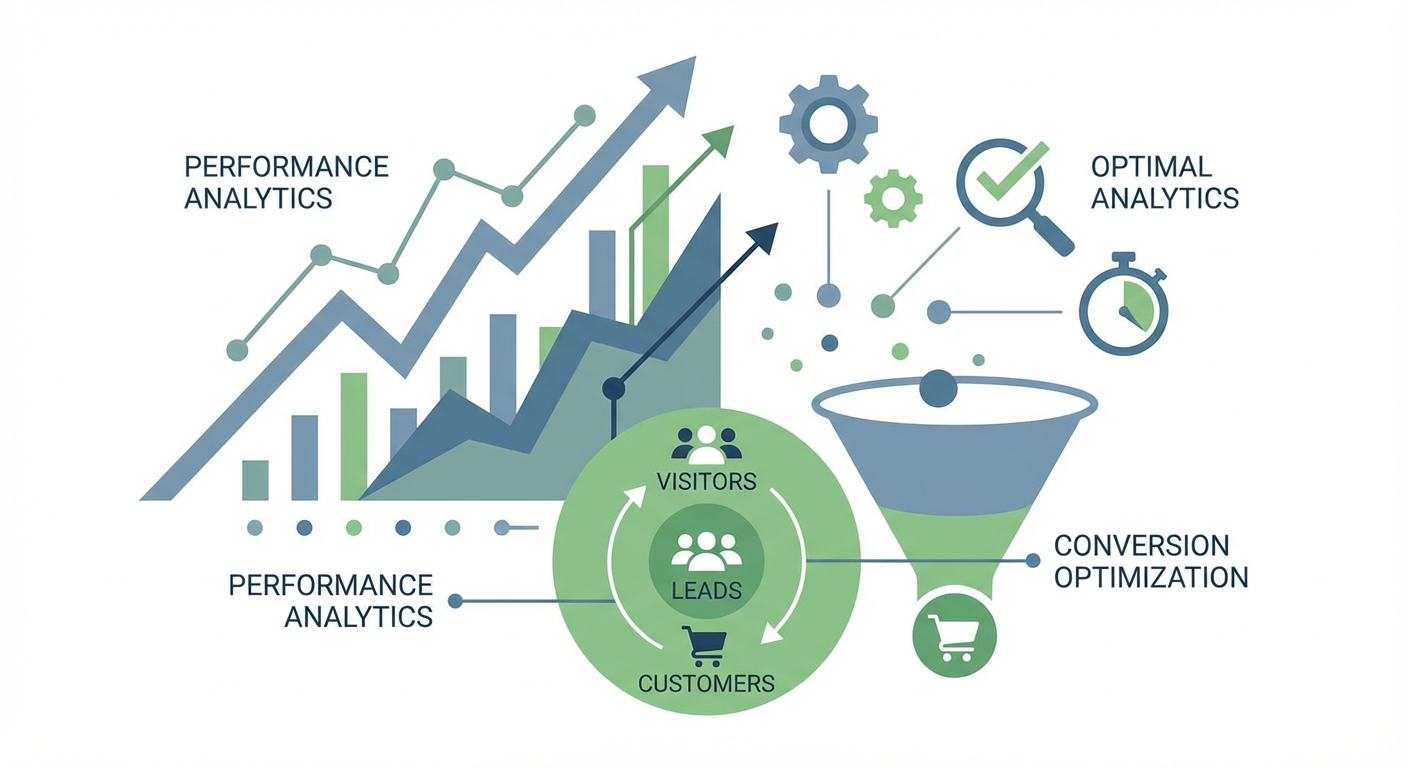
Every problem above comes down to one thing: treating your website like a brochure instead of a sales tool. A brochure just shows information. A sales tool attracts the right customers through SEO, builds trust immediately, answers concerns, and makes taking action easy.
The good news is every one of these problems is fixable. Start with the ones that apply to you, and you'll see results.
---
If you want a website built to actually generate enquiries — hand-coded for speed, mobile-first, and optimised for local search — get a free quote from Axel Up. Our websites start at £497 for up to 5 pages. Pay once, it's yours.

Is Your Website Winning You Work?
21 practical checks across 5 categories. Score yourself and see where you stand — takes 5 minutes.
Get the Free Checklist →